The best soil for lotus and water lilies is easy to overlook because it’s hidden beneath the water, but what happens down there has a big effect on how well your plants grow.
This is where growing lotus and water lilies is a little different from growing most garden plants.
You can’t simply take the same potting mix you use for your vegetables or flowers, drop it into a container and fill it with water. That’s going to end in disappointment.
Over the years here at Suan Sook Homestay in Northern Thailand, we’ve learned that getting the soil right is one of the things worth taking a little time over.
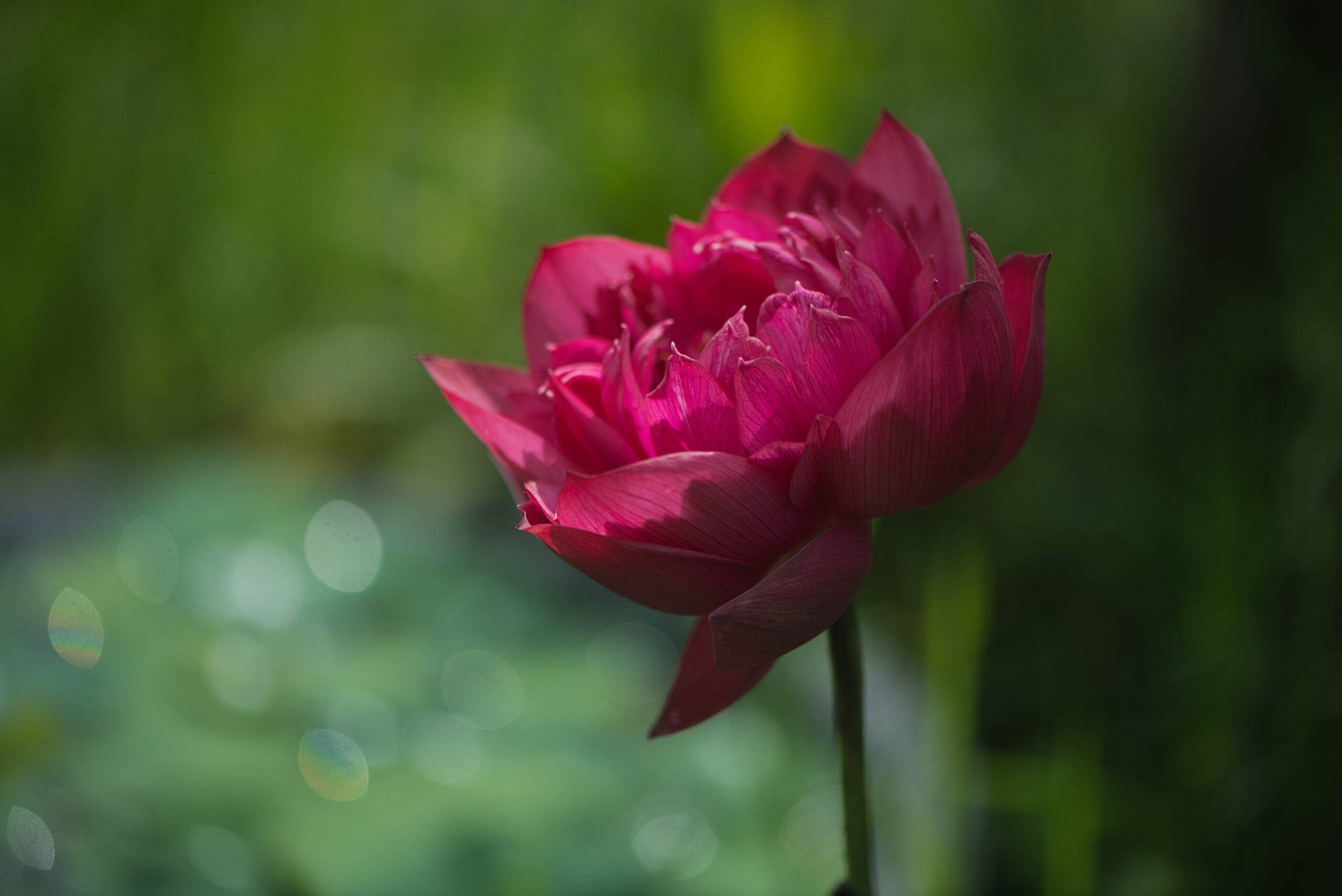
What soil do lotus and water lilies need?
Lotus and water lilies grow differently from plants in a normal garden bed. Their roots need to sit in soil that stays underwater, so the soil needs to function differently in those conditions.
The best soil for lotus is generally a fairly heavy soil with plenty of clay. You want something that will stay where you put it rather than breaking apart and floating around in the water. But if the clay is too dense, this will inhibit the root growth.
This is also important when you’re growing lotus in pots, tubs, bowls or other containers. The roots need to be held firmly in place as the plant develops.
Here in our garden, we use soil that is available locally. It’s a lite clay containing some silt. We’ve found it works very well for our lotus.
Soil varies a lot from one place to another, and finding a suitable local soil is important. Buying soil from an aquatic nursery or supplier is probably your best option, unless you’re lucky like us and your local soil best for lotus and water lilies.
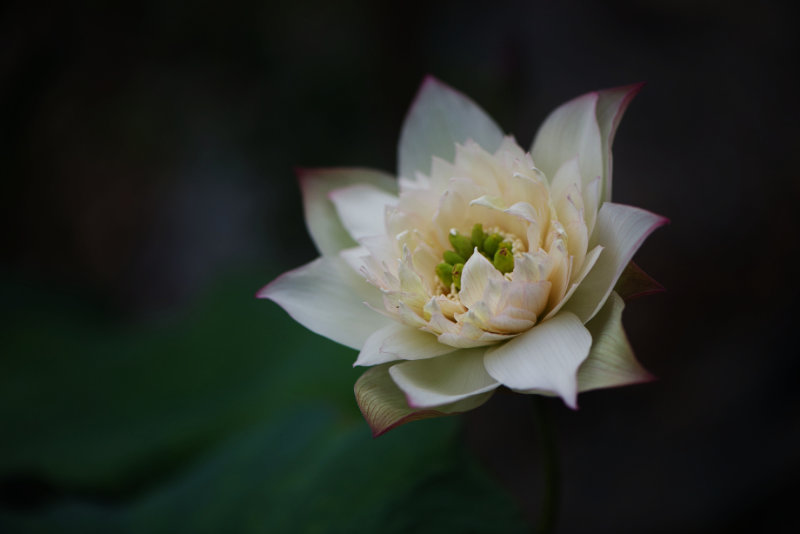
Why ordinary potting mix isn’t ideal
One of the most common questions we hear is whether you can use ordinary potting soil for lotus.
The problem is that potting mixes are usually designed to drain freely and hold plenty of air around the roots. That’s what you often want in a normal garden.
But for lotus and water lilies, a light, fluffy mix will move around once you submerge it in water. It will also make the water cloudy and leave the roots without the firm anchoring they need.
So when you’re looking for soil for water lilies or lotus potting soil, don’t automatically reach for the same product you would use for tomatoes, herbs or flowering plants.
There are a few other things I look for when choosing soil for aquatic plants, and I’ve included more about that in the video.
Watch the video to see the type of soil we use and how we prepare it for lotus and water lilies.
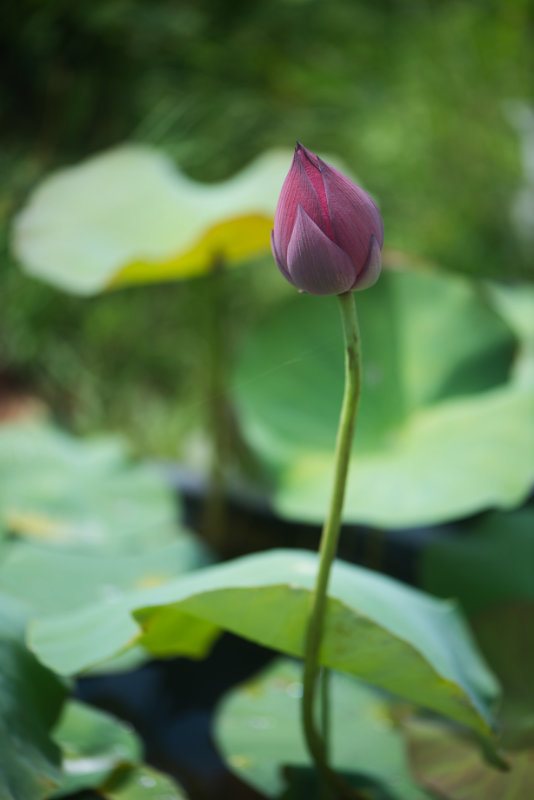
Growing lotus in containers
You don’t need a large pond to grow lotus.
A suitable container can give you the opportunity to grow lotus in a surprisingly small space. But the smaller the container, the more important it becomes to get the conditions right.
The soil needs to stay in place, and the plant needs enough room for its roots and rhizomes to develop. It also needs the soil to hold the root system stable or the plants can be damaged.
This is one reason I think growing lotus in pots is such an interesting option for home gardeners. You can experiment with lotus without having to build a pond or redesign the garden.
The same idea applies to water lilies in containers. With the right container, soil and growing conditions, they can become part of a small water garden rather than something that requires a large permanent pond.
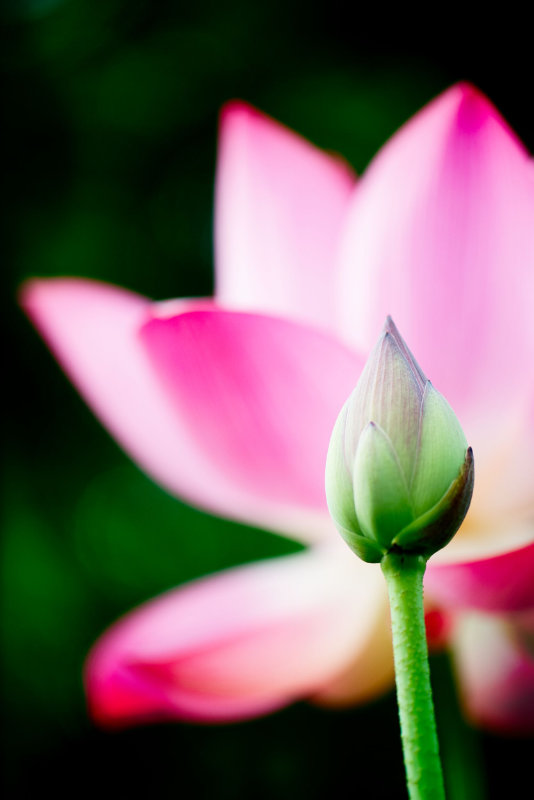
What about clay soil?
If you’ve got access to clay soil for lotus, don’t dismiss it simply because it isn’t the sort of soil you’d normally want in your vegetable garden.
For aquatic plants, a heavier clay-based soil can have some useful qualities.
The important thing is finding the right type of soil rather than assuming that any soil containing clay will work.
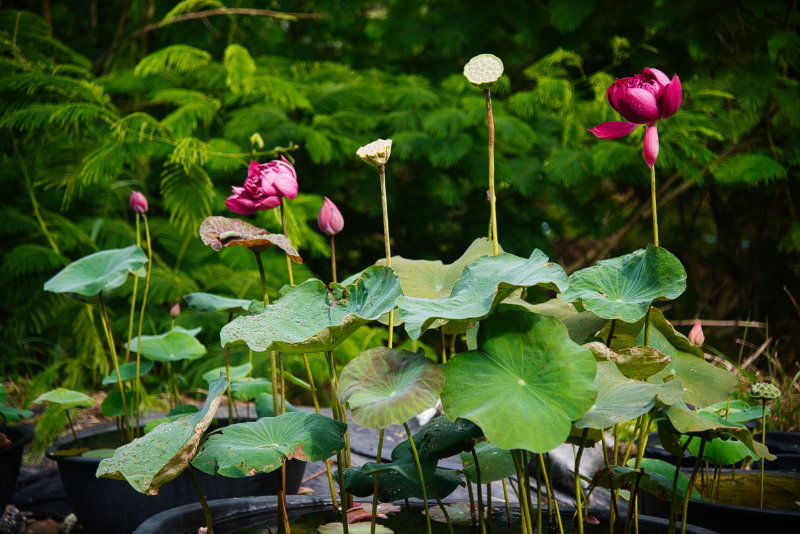
We’ve experimented with different soils over the years, and our locally sourced soil has become the one we keep coming back to. Initially we had used a heavier clay and learned the hard way that the roots struggle to push through it. This resulted in smaller leaves and flowers. Now we’ve changed the soil we use and are experiencing more pleasing results.
Soil is only part of the picture
Getting the best soil for lotus and water lilies is important, but it isn’t the whole story.
Healthy aquatic plants also need the right balance of sunlight, water, nutrients, space and growing conditions.
That’s why I tend to look at the whole growing environment rather than searching for one perfect product.
The soil gives the plant somewhere to establish itself. From there, everything else needs to work together.
This is particularly important if you’re trying to grow lotus in a pond, lotus in a pot, or water lilies in a container. The same basic principles apply, but the way you manage them can be quite different.
There is more to learn
We’ve been growing lotus and water lilies here at Suan Sook Homestay for some time, and we’re still learning from what happens in our own garden.
That’s one of the things I enjoy about growing plants. You can read about the theory, but eventually you have to put your hands in the soil and see what happens.
In the accompanying video, we show you more closely what we’re using for our lotus soil, what we avoid, and how we think about preparing a new container or pond.
I’ll also be sharing more about growing lotus, growing water lilies, soil preparation, feeding and the practical things we’ve learned from growing these plants here in Northern Thailand.
If you’re just getting started, I’d recommend watching the video before setting up your next lotus pot. Sometimes getting the foundation right at the beginning saves a lot of trouble later.
To see more videos from our garden, please check our YouTube channel.